
Flat Roofs That Actually Stop Leaks
TPO Roofing in Blackshear for additions, garages, and modern home designs with low-slope applications
Flat roofs leak when the seams aren't welded correctly or when water pools in low spots that should have been addressed during installation. TPO roofing systems use heat-welded seams that create a watertight bond stronger than the membrane itself, which prevents the separation and peeling that happens with adhesive-based systems in hot, humid climates like Georgia's. Dollar Roofing & Gutters installs TPO roofing in Blackshear for structures where traditional sloped roofing isn't practical or where energy efficiency matters enough to justify the reflective properties of a white membrane.
The membrane is rolled out over the roof deck, which has been prepared with insulation board or a smooth substrate, and the seams are overlapped by several inches before a hot-air welder fuses them together under pressure. This process creates a single continuous surface that sheds water toward drains or scuppers without relying on gravity alone to move water off the roof. TPO reflects solar heat rather than absorbing it, which keeps the roof surface cooler and reduces the heat load on the building below—a significant advantage during Georgia summers when attic and interior temperatures climb without adequate insulation or ventilation.
Arrange an on-site consultation to assess your roof slope, drainage pathways, and insulation requirements.
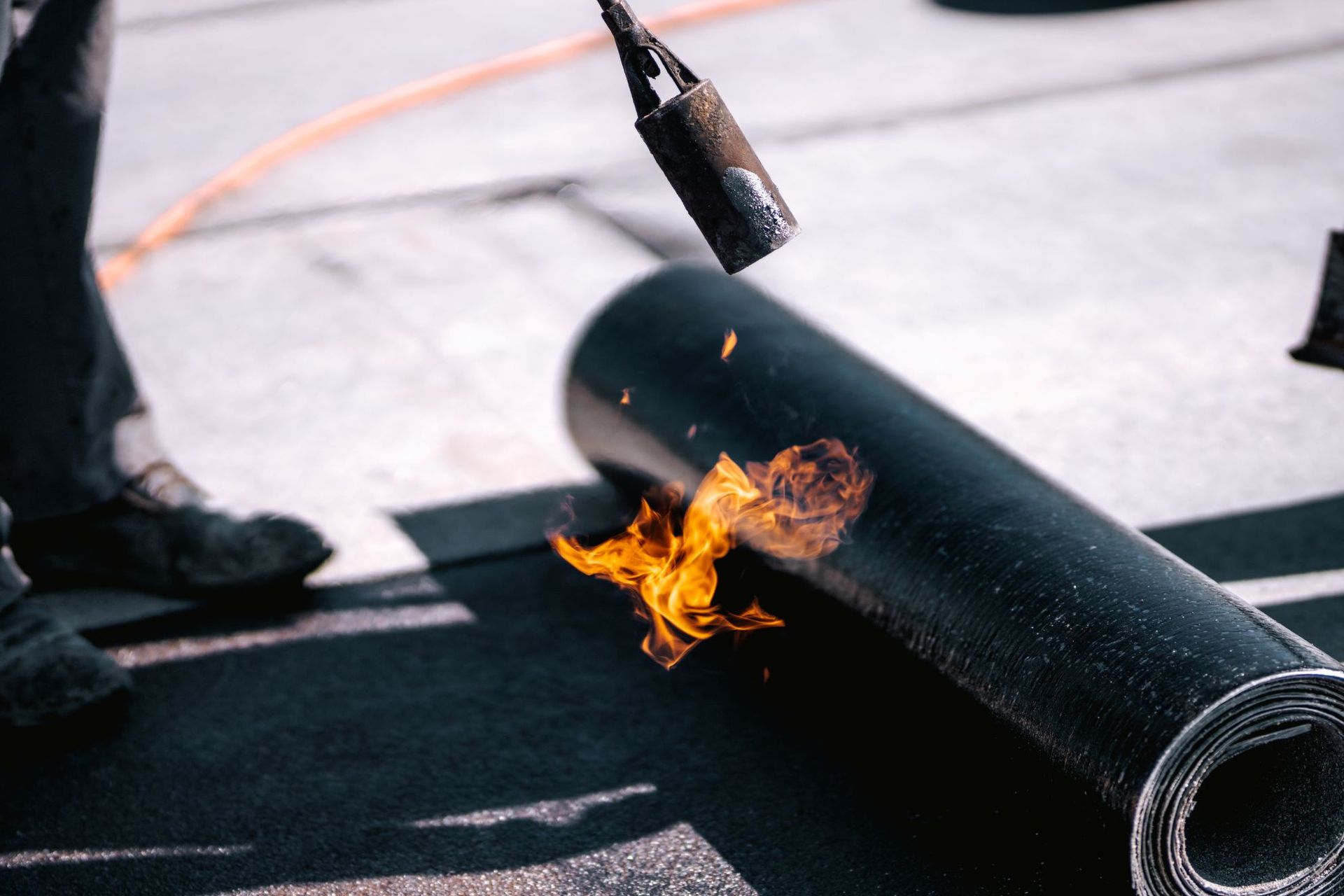
Why Seam-Welded Installation Works for Low-Slope Structures
TPO seams are welded using a machine that heats both layers of the membrane to a precise temperature, then applies pressure with a roller to bond them into a single piece of material. This method eliminates the reliance on adhesives that can degrade in UV exposure or lose bond strength when water infiltrates the seam edges. Flashing details around roof penetrations, edges, and transitions are similarly welded to the membrane, creating a system where every joint is sealed at the molecular level rather than mechanically fastened or glued.
After installation, you'll notice that the roof no longer develops standing water in areas where drainage was previously inadequate, and the interior ceiling remains dry even during extended rain events. The white or light-colored surface stays visibly cleaner than dark roofing materials because it doesn't absorb heat and promote algae growth, and the membrane resists punctures from debris or foot traffic better than single-ply systems that aren't reinforced. Dollar Roofing & Gutters backs the installation with a labor warranty that covers seam integrity and flashing details, while the manufacturer provides material coverage for defects or premature deterioration.
TPO is suitable for additions, detached garages, and modern home designs where a flat or low-slope roof fits the architectural style, but it's not appropriate for every application. The roof must have adequate drainage to prevent ponding water, which can stress the membrane over time even though the material is waterproof. Insulation levels should be evaluated to prevent condensation issues and maximize the energy efficiency gains that TPO offers.
Answers to Frequent Service Questions
Homeowners considering TPO roofing for flat or low-slope sections often ask about installation requirements and long-term performance.
What makes TPO roofing different from other flat roofing materials?
TPO is a thermoplastic membrane that is heat-welded at the seams, which creates a bond stronger than adhesive or mechanical fastening methods used with other single-ply systems. The material is also highly reflective, reducing cooling costs in hot climates.
How is drainage managed on a flat TPO roof?
Proper drainage requires the roof deck to be sloped toward drains, scuppers, or edge details that direct water off the surface, preventing ponding that can stress the membrane or lead to leaks at seams or penetrations.
How long does a TPO roofing system last in Blackshear's climate?
TPO membranes are designed to last 15 to 30 years depending on installation quality, maintenance, and exposure to UV radiation and thermal cycling, which are both significant factors in Georgia's climate.
Can TPO roofing be installed over an existing flat roof?
In some cases, TPO can be installed over an existing roof if the substrate is sound and dry, though a tear-off is often recommended to inspect the deck for damage and ensure proper insulation and drainage integration.
What are the energy efficiency benefits of a white TPO membrane?
The reflective surface reduces solar heat absorption, which lowers roof surface temperatures by 50 degrees or more compared to dark-colored roofing, reducing the workload on air conditioning systems and cutting cooling costs.
Dollar Roofing & Gutters provides free estimates that include membrane thickness options, insulation recommendations, and a detailed explanation of how the installation will address your specific roof configuration. Call (478) 244-4734 to determine if TPO is the right solution for your property.