
Response When Exposure Threatens Interiors
Emergency Roofing in Blackshear for properties with sudden storm damage requiring immediate stabilization
A tree limb punching through decking, wind tearing away entire shingle sections, or structural failure opening gaps to the sky all create urgent situations where hours matter to prevent interior water damage. Emergency roofing services from Dollar Roofing & Gutters respond to these scenarios in Blackshear, arriving quickly to assess damage scope and stabilize roof systems before rain reaches insulation, drywall, or electrical components. The difference between immediate response and waiting days for scheduled repairs often determines whether damage remains limited to roofing materials or expands into ceiling replacement, mold remediation, and ruined belongings.
Response begins with securing the compromised area through temporary covering or structural bracing, then evaluating what permanent repairs will require. Teams work to stop active water intrusion first, then document the full extent of damage for insurance purposes and homeowner decision-making. The approach varies based on whether the emergency involves localized punctures, large-scale shingle loss, or structural compromise that affects rafters or decking, with each scenario requiring different materials and techniques to prevent further deterioration.
Call (478) 244-4734 immediately when storm damage exposes your home's interior to weather.
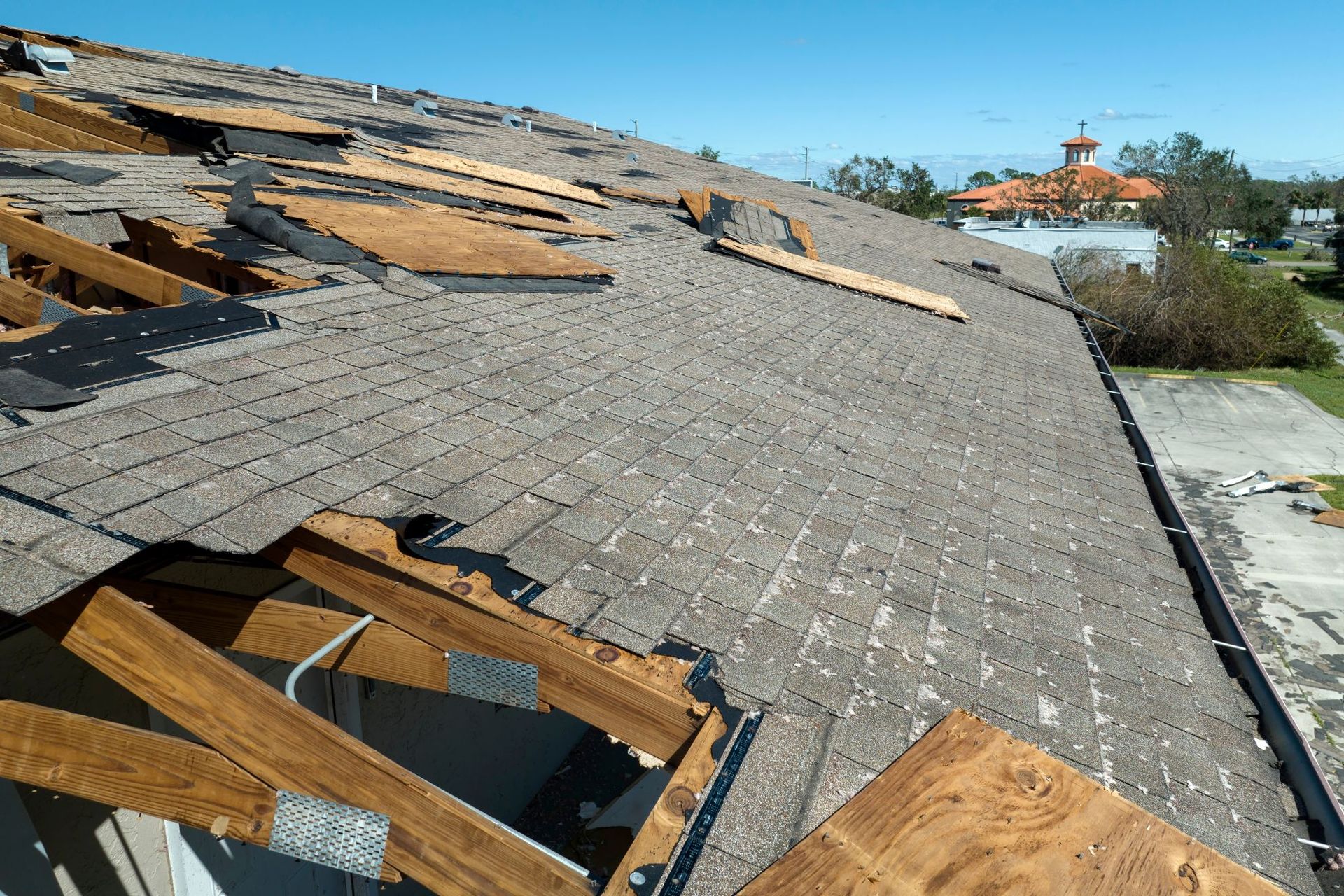
What Emergency Roofing Actually Accomplishes
Emergency services focus on containment—stopping the progression of damage from the initial failure point into surrounding systems and living spaces. This involves covering openings with materials that withstand additional weather, removing debris that could cause further punctures or abrasions, and assessing whether structural components remain safe or require temporary bracing until permanent repairs begin. Speed is prioritized over finished aesthetics, with the goal of creating a weatherproof barrier that protects the interior until full repairs can be scheduled and completed properly.
After emergency response, rain stops entering the house, exposed insulation and wiring are protected from moisture, and the compromised section is secured against wind that could worsen the opening. Interior ceilings and walls stay dry, preventing the secondary damage that develops when building materials absorb water and begin supporting mold growth or losing structural integrity. The temporary protection holds through additional weather events while permanent repair materials are sourced and installation is scheduled.
Emergency work establishes a safe baseline but doesn't complete the full repair process, which requires matching shingles, replacing damaged decking, and potentially addressing underlying issues that contributed to failure. Follow-up appointments handle comprehensive restoration once the immediate crisis is contained, and insurance documentation prepared during emergency response informs coverage decisions for the complete repair scope.
What Property Owners Usually Ask
Questions during emergencies often focus on response time, what immediate actions protect the property, and how emergency work transitions to permanent repairs.
What constitutes a roofing emergency versus scheduled repair?
Situations requiring immediate response include any opening that exposes the interior to weather, structural damage that creates safety hazards, or active leaks that threaten electrical systems or valuable property. Issues that are contained and not worsening can typically wait for scheduled service.
How quickly can emergency teams respond in Blackshear?
Response times depend on current weather conditions and call volume, but emergency services prioritize situations with active interior exposure, often arriving within hours when roads are passable and conditions allow safe roof access.
What temporary protection methods withstand Georgia storms?
Heavy-duty tarps secured with fasteners driven into sound decking create weatherproof barriers for openings, while plywood sheathing covers larger damaged sections when tarp material alone won't span the area or provide adequate wind resistance.
How does emergency work affect insurance claims?
Immediate stabilization is typically covered as part of damage mitigation that homeowners are required to perform under policy terms, and documentation from emergency response provides evidence of the initial damage scope before any repairs alter conditions.
When can permanent repairs begin after emergency stabilization?
Scheduling depends on material availability, weather windows suitable for full roof work, and coordination with insurance adjusters who may need to inspect before major repairs proceed. Emergency coverage remains in place until permanent work starts.
Dollar Roofing & Gutters maintains emergency response capacity for urgent situations requiring rapid stabilization to protect Blackshear properties from further damage. The team provides follow-up repair options once immediate threats are contained and assessment is complete.